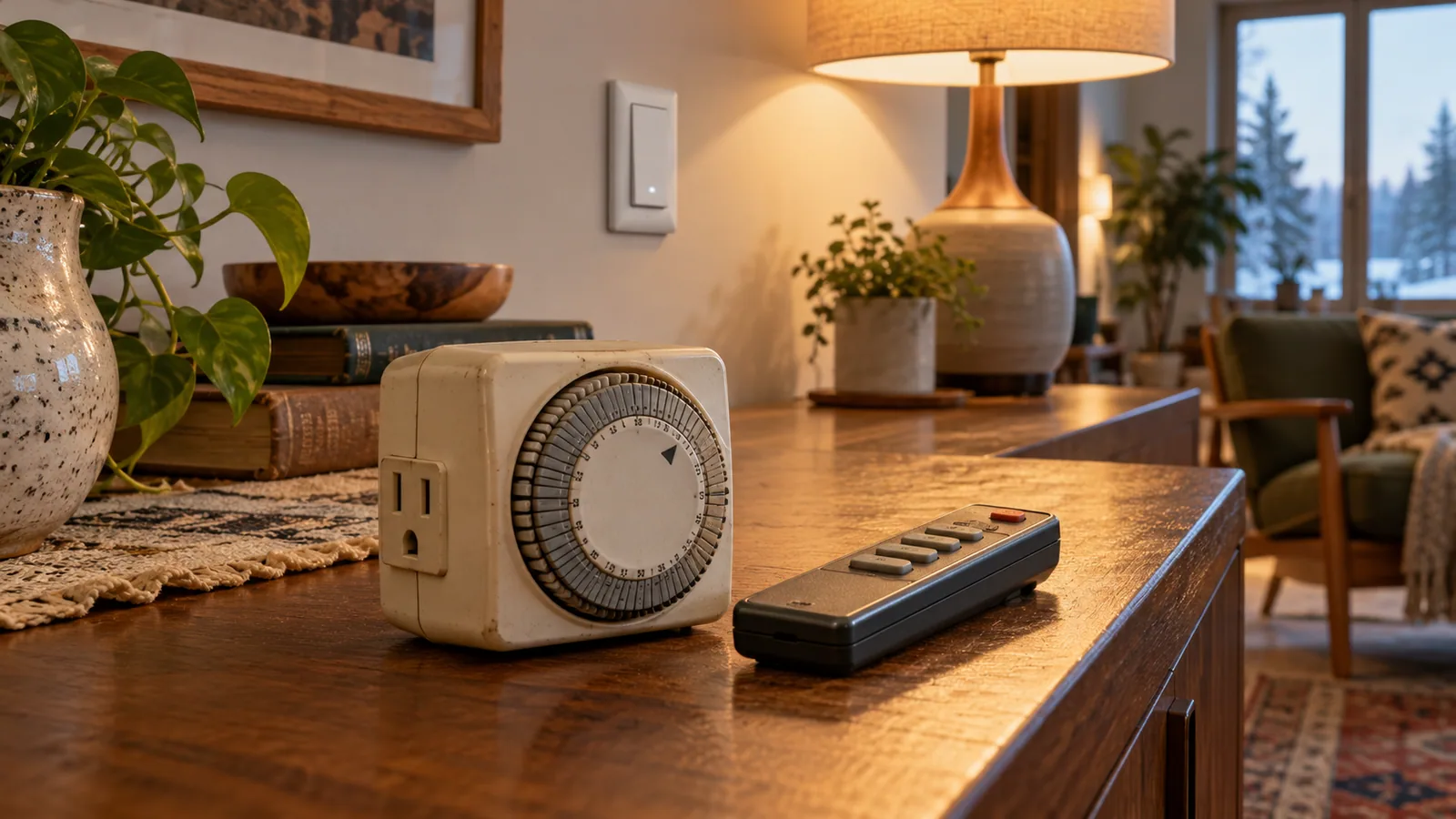
CONNECTIVITY · 4 min read
How smart homes learned to communicate
From commands on household wiring to networks of sensors, learn why a smart home needs several kinds of communication.
Read article BieniecoHOME AUTOMATION
BIENIECO FIELD GUIDE · CONNECTIVITY
A useful home automation system is a conversation between devices. Learn what carries the messages, what each technology does well and how far a signal can really reach.

START HERE
Ethernet, Wi Fi, Zigbee, Z Wave, Thread and Bluetooth move information. Matter describes what supported devices mean when they talk. A hub, controller or border router may connect those pieces. A leak sensor does not need the same network as a video camera, and a Matter label does not tell you how far a radio reaches.
Decide what the device must report or control.
Match data, power and placement to a wired or wireless network.
Check coverage, compatibility and outage behaviour.
PRACTICAL COMPARISON
These are planning descriptions, not coverage guarantees. A wall, metal cabinet, antenna or nearby network can change a wireless result dramatically.
| Technology | How it connects | Reach to plan for | Good fit | Main tradeoff |
|---|---|---|---|---|
| Ethernet | Cable | Up to 100 m for a conventional copper run | Fixed cameras, access points and network equipment | Very dependable; a cable must be installed |
| Wi Fi | Radio to an access point | Varies by band, building and placement; test each location | Video, speakers, phones and appliances | High capacity; shared airtime and power demand |
| Zigbee | Low power mesh | Alliance cites roughly 10 to 100 m per link depending on conditions | Sensors, switches and lights | Good battery life; needs a compatible coordinator |
| Z Wave | Low power mesh; Long Range is direct | Product specifications often cite tens of metres in open air | Locks, sensors and switches | Less 2.4 GHz crowding; check region and controller |
| Thread | Low power IP mesh | No fixed home distance; powered extenders expand coverage | Matter sensors and small controls | Low power and local network fit; needs a border router |
| Bluetooth LE | Usually direct; Mesh is distinct | Highly variable; test at the intended spot | Setup, nearby control and some sensors | Phone friendly; ordinary BLE is not a whole home mesh |
| Matter | Application language, not a radio | No range of its own | Supported devices across ecosystems | Improves interoperability; feature support still varies |
About the distances: The 100 metre Ethernet limit is a cabling design rule. Zigbee’s published 10 to 100 metre span and Z Wave product figures are condition dependent. For every wireless option, test the final location before trusting an alert or automation. Z Wave Long Range has a much larger advertised maximum, but it requires compatible equipment and should still be tested on site.
READ DEEPER
Each guide explains the idea first, then the practical tradeoffs. No engineering background needed.
CONNECTIVITY · 4 min read
From commands on household wiring to networks of sensors, learn why a smart home needs several kinds of communication.
Read article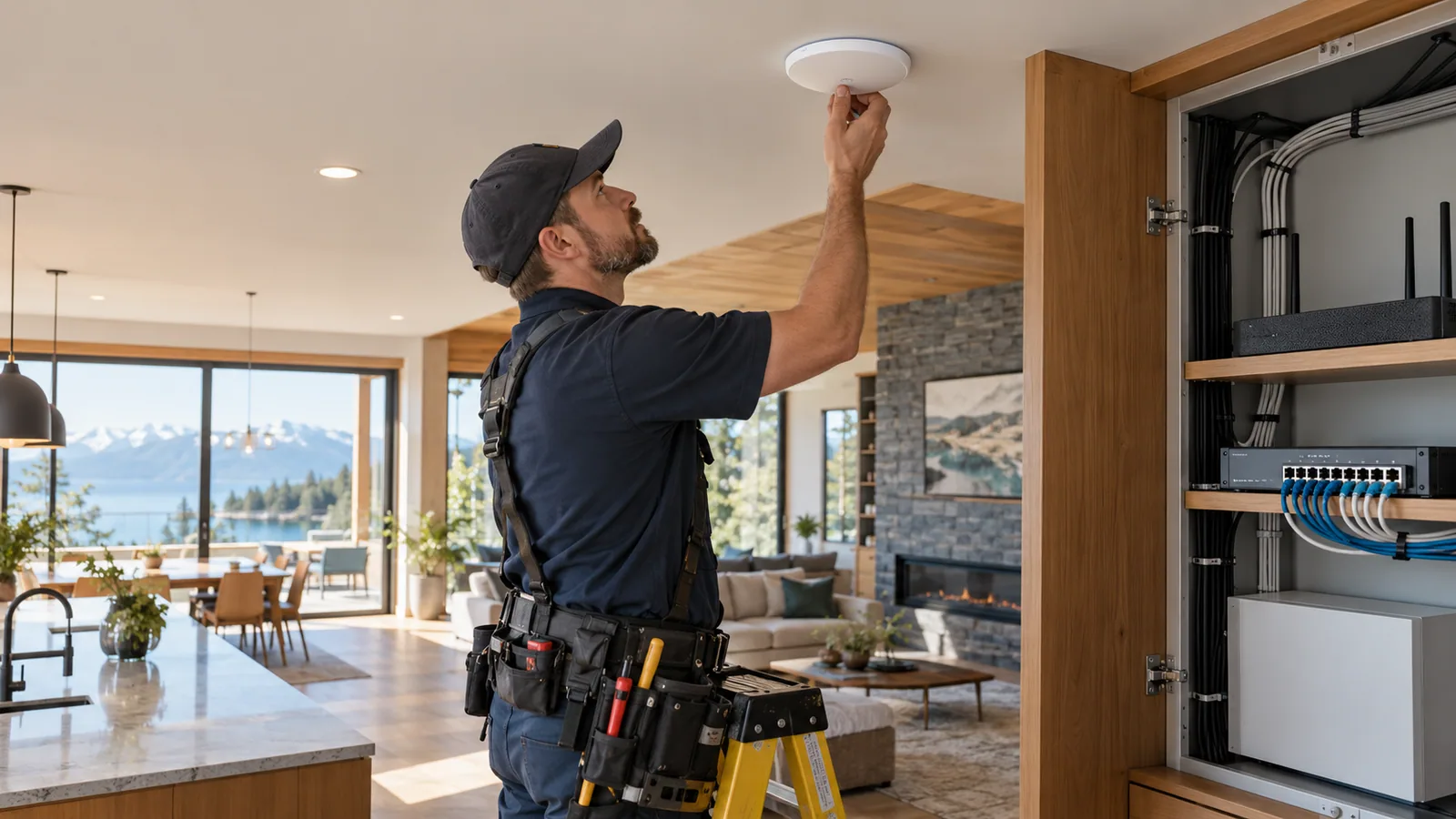
CONNECTIVITY · 4 min read
Why cable is still the dependable backbone and when Wi Fi is the right choice for cameras, speakers and appliances.
Read article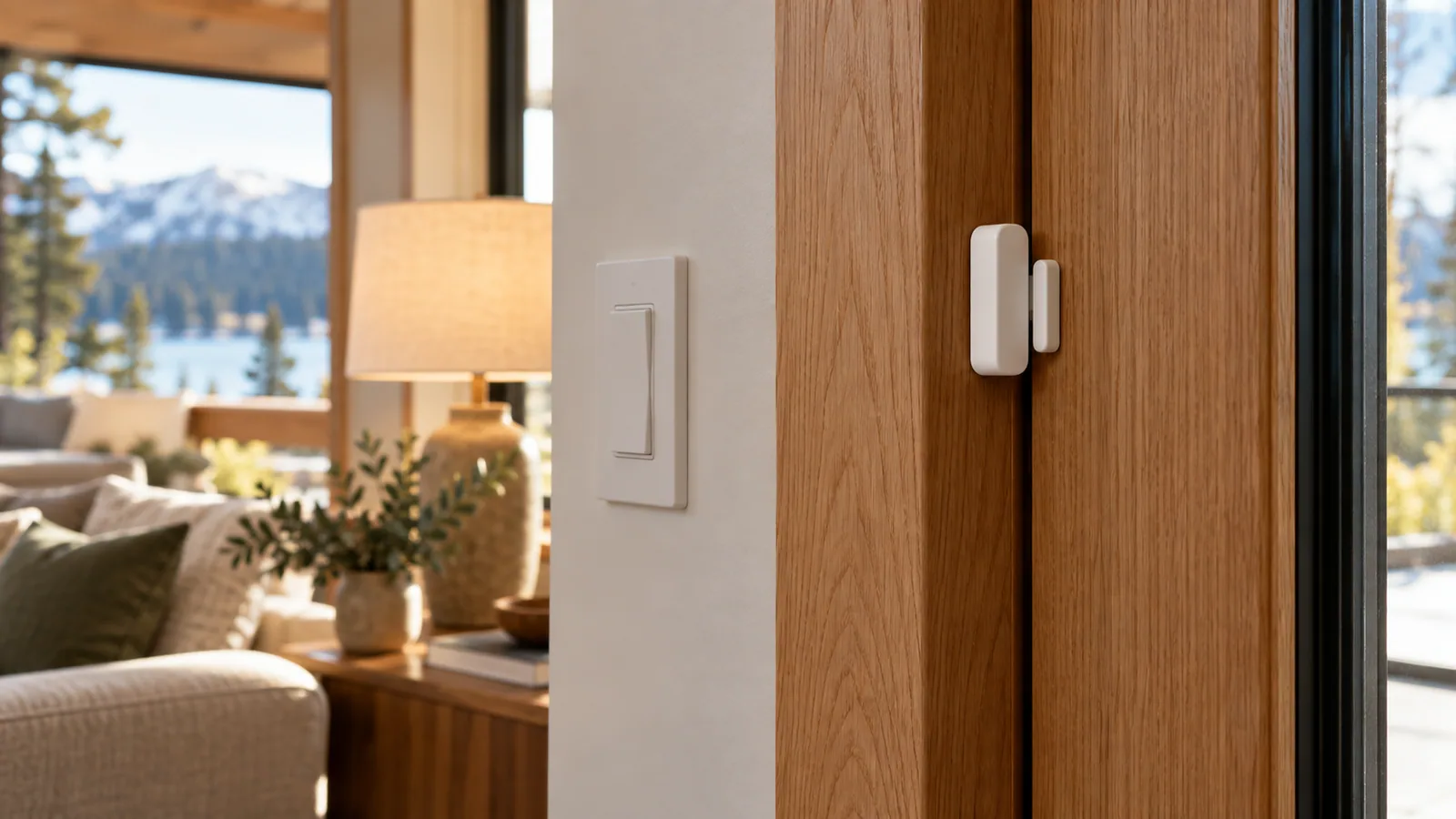
CONNECTIVITY · 4 min read
Two established low power networks for sensors, switches and locks, with different radios and a few important buying checks.
Read article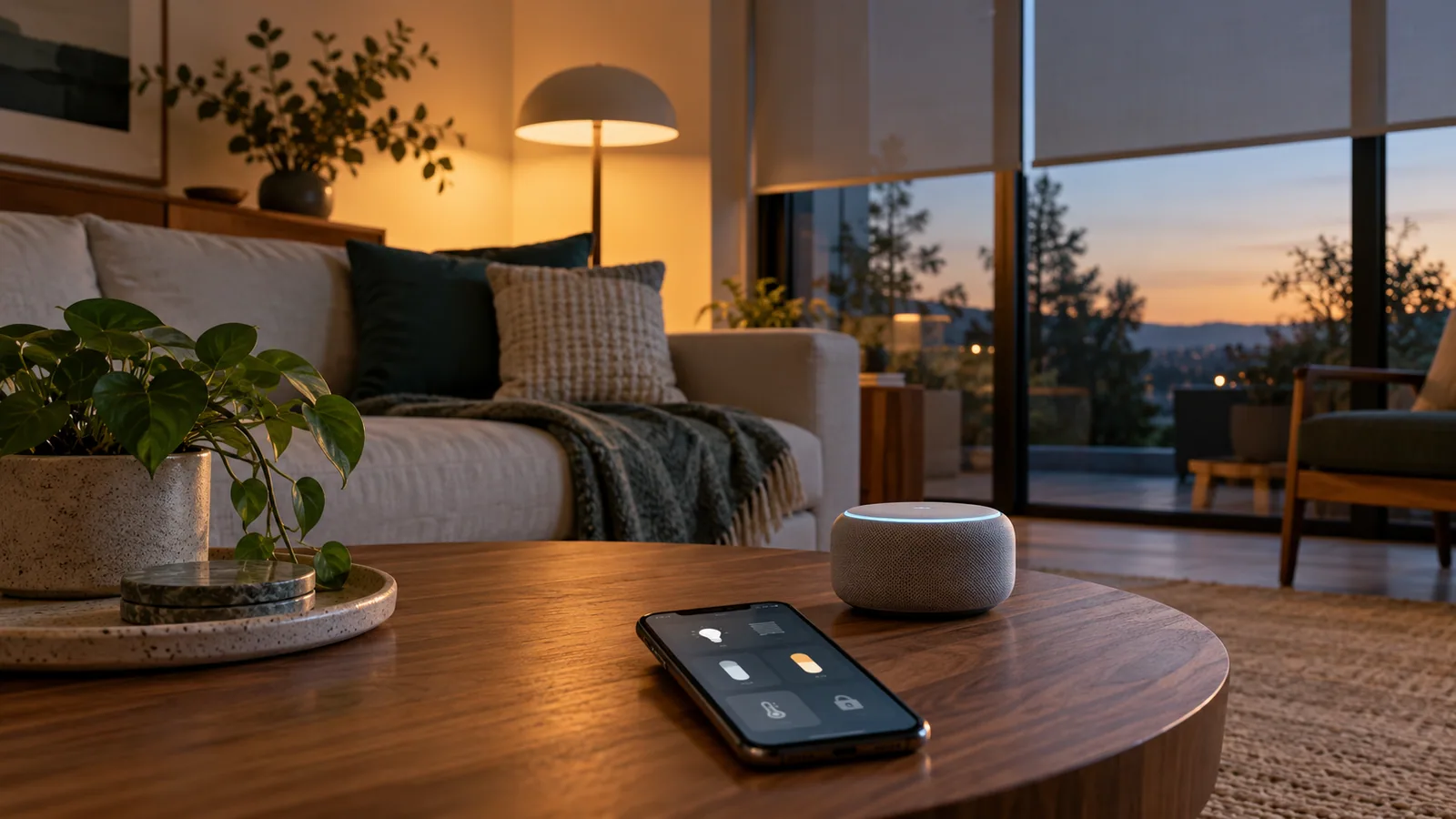
CONNECTIVITY · 4 min read
Understand border routers, device setup, local control and what the Matter badge does and does not promise.
Read article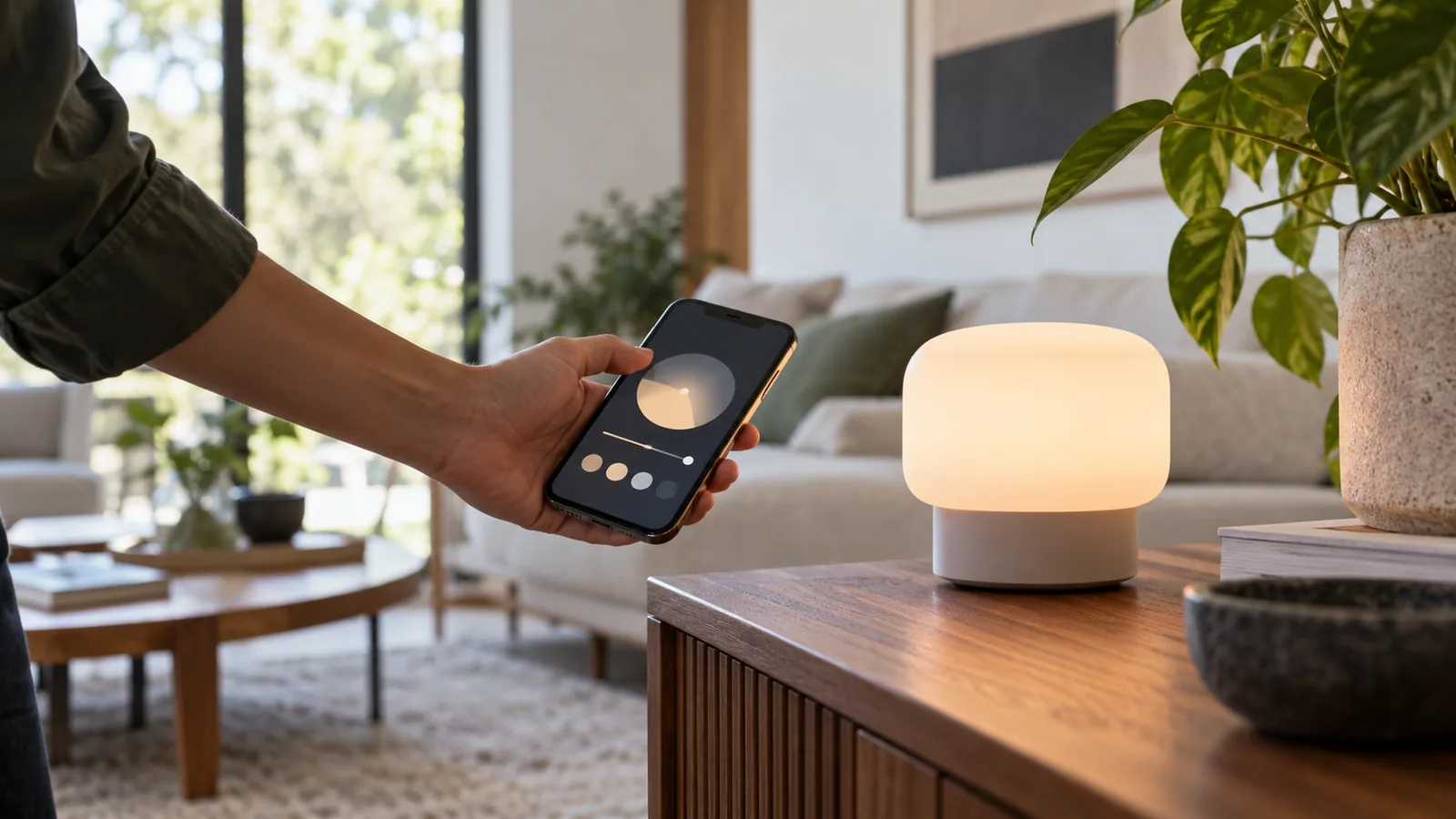
CONNECTIVITY · 4 min read
Where direct phone connections, remotes and specialist radio links fit, and why similar looking devices may not work together.
Read article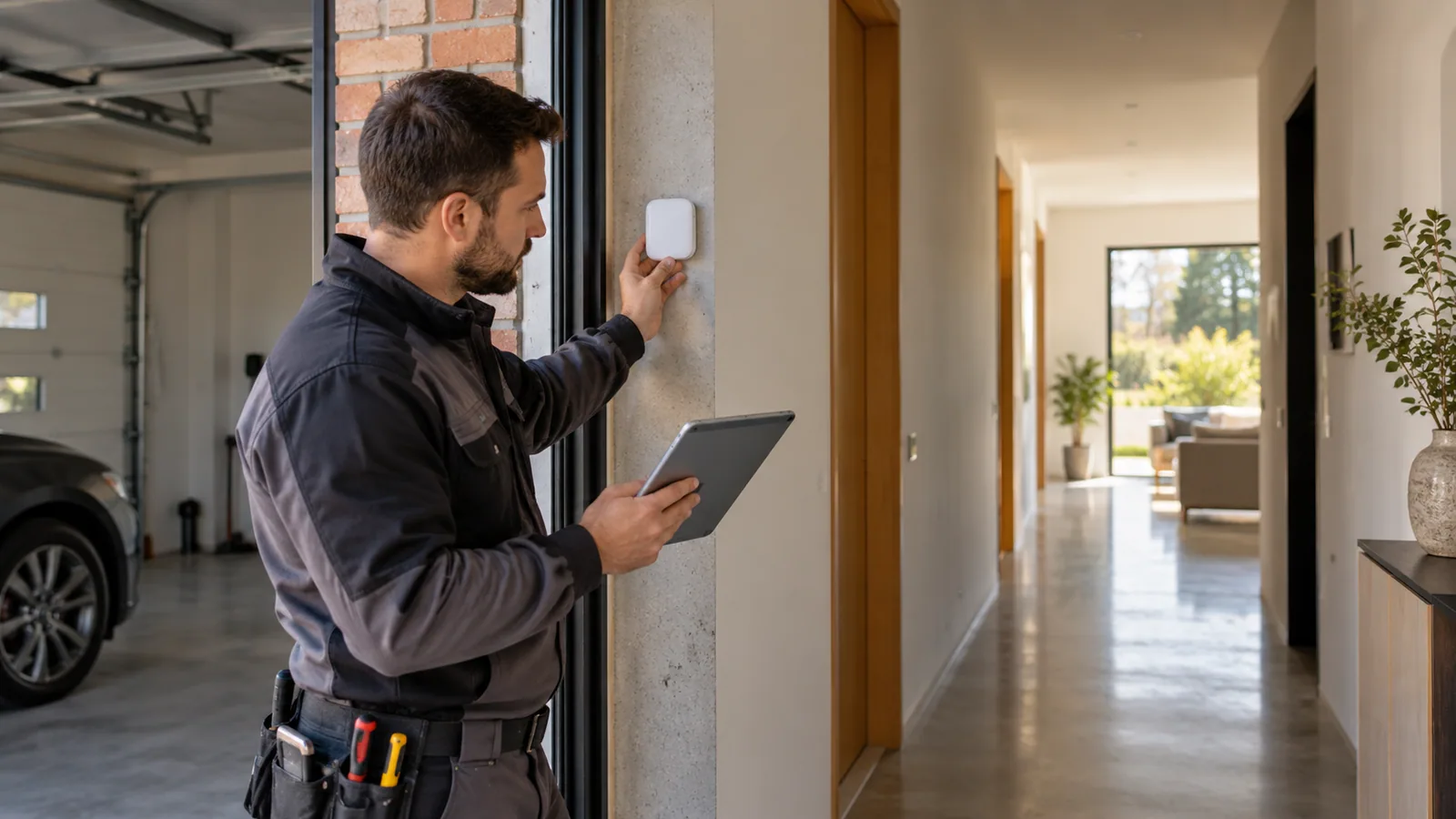
CONNECTIVITY · 5 min read
A practical way to plan coverage, troubleshoot dropouts and choose a protocol for each job without trusting a range claim blindly.
Read articleMAKE A WORKABLE PLAN
Draw the rooms, mark thick walls and place the devices you care about. We can help turn that into a practical concept before equipment is chosen.