01
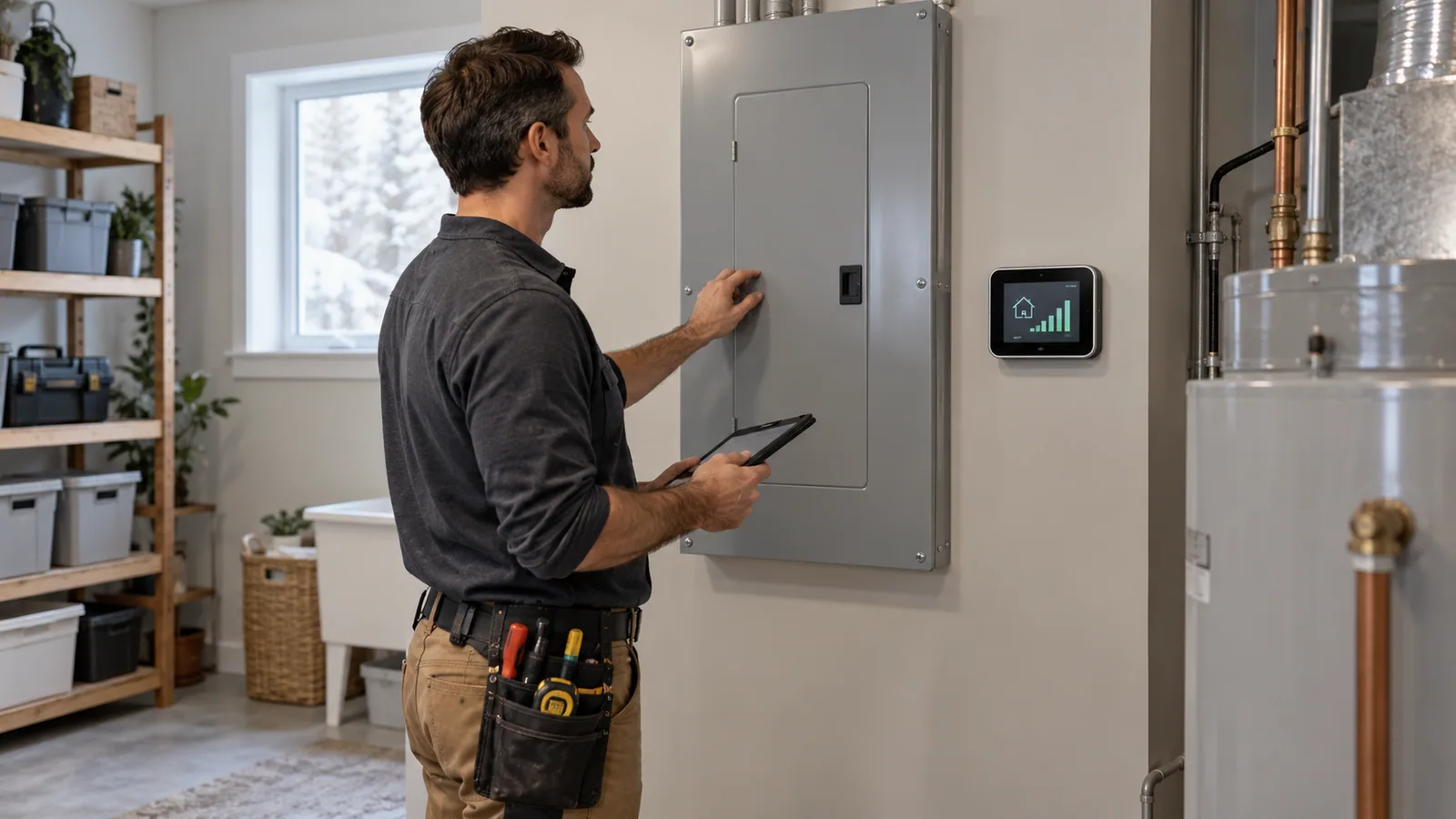
See what the house uses
A useful baseline starts with the utility meter. Circuit data can answer specific questions that a single total cannot.
Explore this topic → BieniecoHOME AUTOMATION
BIENIECO FIELD GUIDE · HOME ENERGY
A clear home energy plan starts with the load you already have. Learn what monitoring reveals, what a solar roof can produce and what battery backup really means during an outage.

ONE SYSTEM, THREE DIFFERENT JOBS
Monitoring measures demand and energy use. Photovoltaic panels generate electricity when light reaches them. A battery stores a limited amount for later. These pieces can work together, but buying one does not automatically provide the others. A solar array without the right backup design normally shuts down when the grid fails.
A useful baseline starts with the utility meter. Circuit data can answer specific questions that a single total cannot.
Explore this topic →
Roof condition, shade, inverter design and Ontario connection approval shape a solar project.
Explore this topic →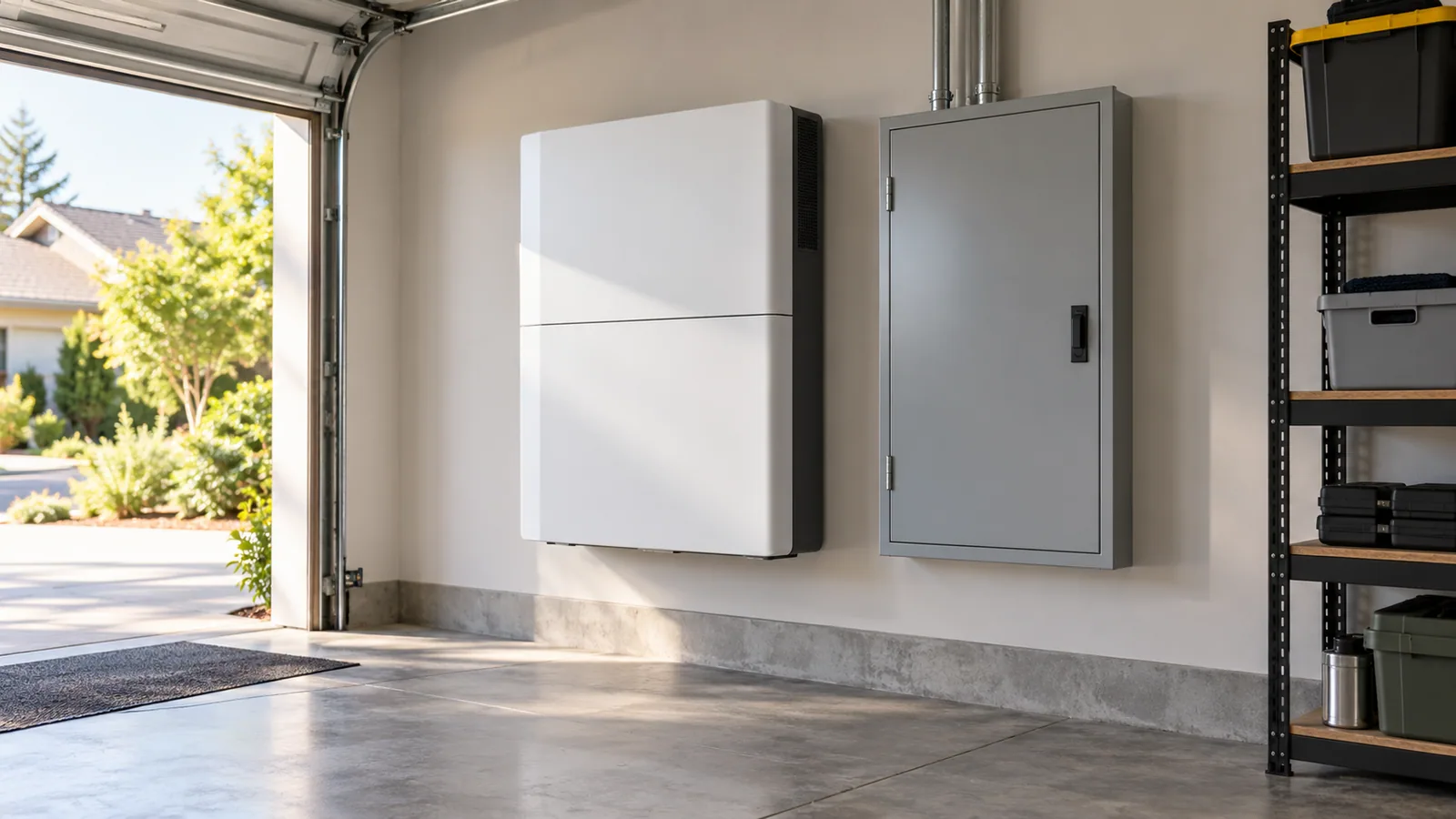
A battery needs enough stored energy, enough momentary power and a safe transfer design.
Explore this topic →PRACTICAL COMPARISON
kW describes power at a moment. kWh describes energy over time. That difference is the key to reading a monitoring graph, a solar quote and a battery label.
| Question | Monitoring | Solar photovoltaic | Battery backup |
|---|---|---|---|
| What it does | Shows where electricity is used | Converts sunlight into electricity | Stores electricity to use later |
| The number to watch | kW now and kWh over time | Estimated and actual kWh produced | Usable kWh and inverter kW |
| During an outage | May stop if its supply or network fails | Ordinary grid tied solar usually stops | Only designed backup circuits can run |
| Main decision | Which readings would change a decision? | Is the roof and grid connection suitable? | Which loads and how many hours matter? |
An Ontario project check: Apply to the electricity distributor before buying or installing a grid connected solar project. If hiring electrical work, verify a Licensed Electrical Contracting Business and discuss ESA notification and inspection. Battery siting and separation also have specific requirements.
READ DEEPER
Begin with measured use, then consider generation and backup. Each article includes official sources and questions that help you evaluate a proposal.
POWER MONITORING · 4 min read
Understand the difference between a utility bill, a live home monitor and circuit level data before buying a dashboard.
Read article
POWER MONITORING · 4 min read
Find a useful baseline, compare seasons fairly and turn monitoring into specific household decisions.
Read articleSOLAR PHOTOVOLTAIC · 4 min read
Learn what an installer should check on the roof, how panels and inverters work, and which approvals come before a purchase.
Read article
SOLAR PHOTOVOLTAIC · 4 min read
Understand seasonal production, self use, exports and Ontario bill credits before judging a solar proposal.
Read articleBATTERY BACKUP · 4 min read
Learn why battery energy, inverter power and the list of supported loads are separate decisions.
Read article
BATTERY BACKUP · 4 min read
Follow the change from grid power to backup and understand the limits of solar charging, controls and safe reconnection.
Read articlePLAN BEFORE BUYING
Bring a year of electricity bills, a roof plan and a list of must run loads to the first discussion. The right design becomes much easier to explain.