The grid must be separated first
When utility power fails, a normal grid tied solar inverter generally shuts down. That is intentional: it must not send power into a line that workers expect to be de energized. A backup capable installation uses approved equipment to isolate the backed up part of the property from the grid before supplying it locally. The arrangement is often called islanding.
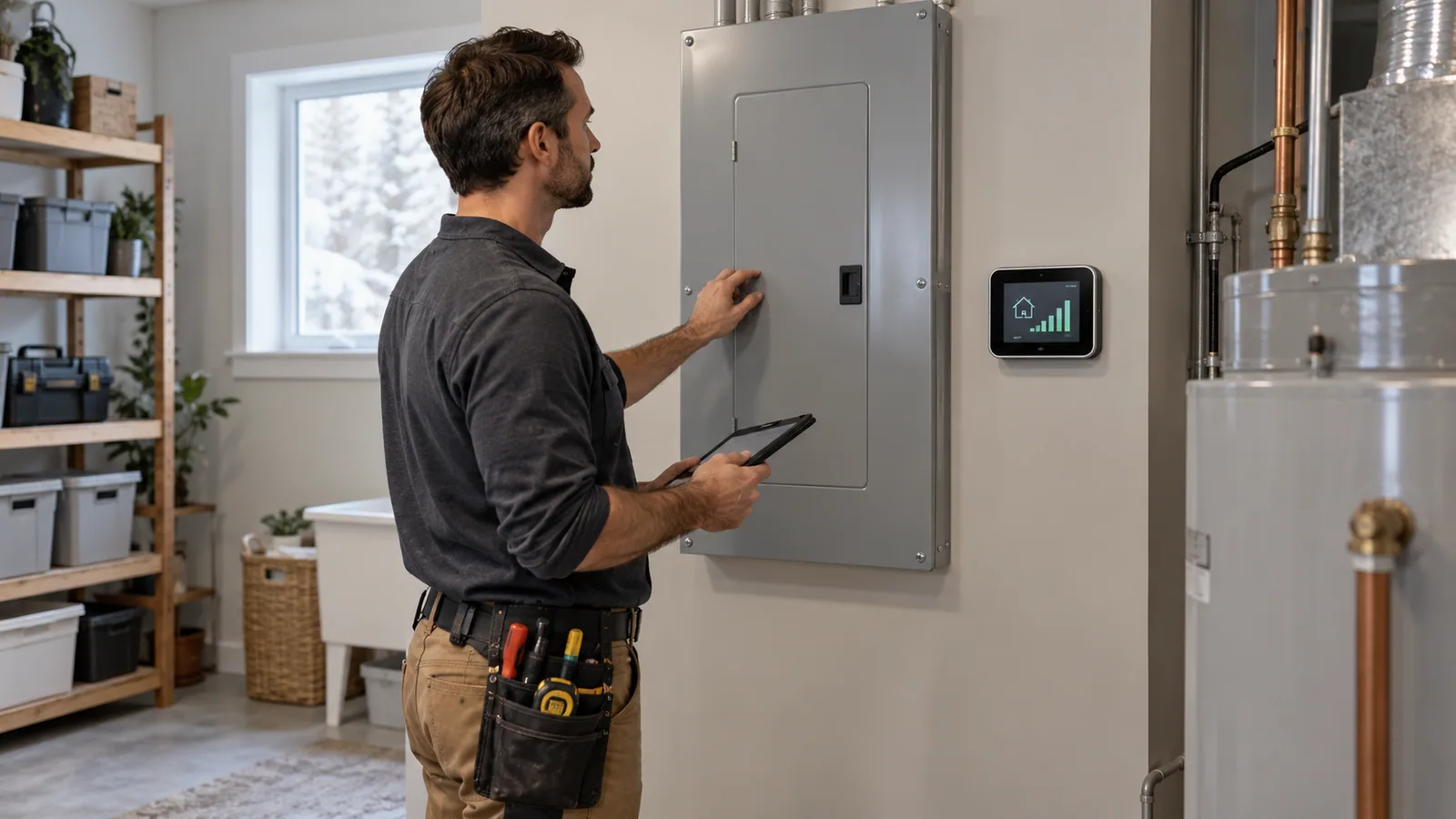
The transfer equipment, inverter, battery and electrical panel must be designed as a system. A battery sitting in the garage does not by itself make every outlet live. Ask the installer to show exactly which circuits remain powered and which do not.
The first seconds of an outage
A compatible system detects loss of the grid, opens the appropriate connection and begins powering selected loads. The transfer may be quick, but it is not always seamless for sensitive electronics. If a device absolutely cannot tolerate a brief interruption, a separate uninterruptible power supply may still be appropriate.
Large motors can demand extra power when starting. A sump pump, well pump or air conditioner may be within the battery’s running capacity yet exceed the inverter’s momentary limit. Test the actual loads with the installer rather than relying only on labels.
The battery sets the night time limit
At night or in heavy cloud, the battery supplies stored electricity until its usable energy or reserve limit is reached. Runtime changes as people turn devices on and off. A thermostat, fridge and a few lights can use much less than a stove, electric heat and vehicle charging. A good interface should show remaining charge and which loads are supported without implying a fixed number of hours.
Some systems reserve a portion of the battery for outages during normal operation. Ask who can change that setting and what it does to everyday energy use. A battery that is allowed to discharge deeply before a storm may have less backup energy available when the grid fails.
What solar can contribute the next day
A correctly designed solar and storage system may restart solar production while isolated, support loads and recharge the battery. That capability is not universal. The solar inverter, battery inverter and controls must support it together. Some systems also need enough battery charge to start the local electrical network in the morning.
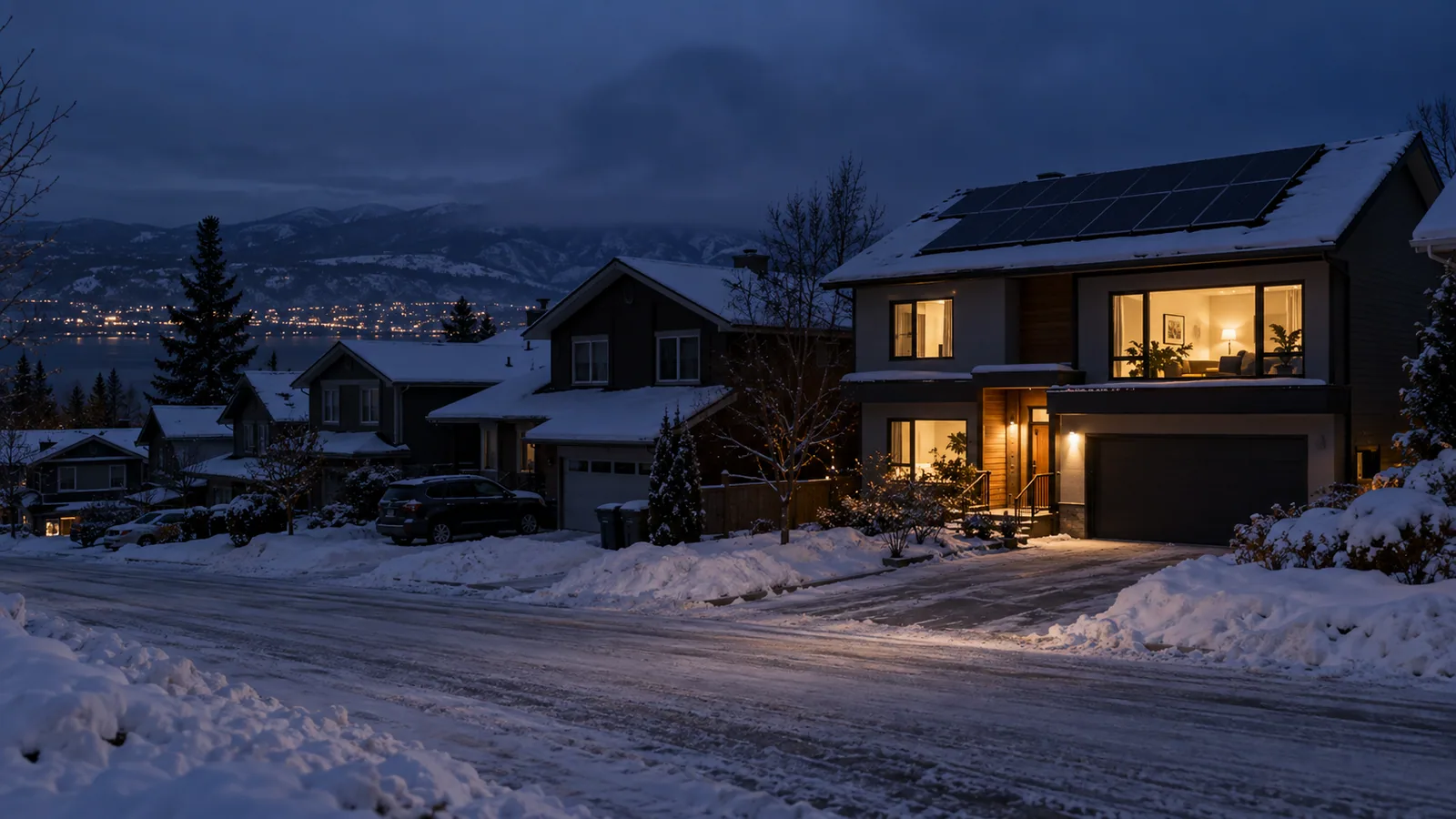
Winter makes the question more demanding. Snow, low sun and short days can reduce charging. Plan a conservative outage case that includes poor weather and a high priority load list. If the household needs guaranteed long duration power, discuss other approved backup options and fuel logistics with a qualified designer.
Safe return to normal power
When utility service returns, the backup system must reconnect in the approved manner. It may wait for stable grid conditions, then resume ordinary charging and solar export. The user should be able to see whether the system is on grid, on battery or waiting to reconnect. After an outage, review any alarms rather than assuming the equipment reset perfectly.
Ask for a supervised outage demonstration at commissioning. Keep a written list of backed up circuits, shutdown instructions and support contacts. Electrical isolation and battery siting are professional design and inspection work under applicable Ontario requirements; this article is a planning guide, not instructions to wire a system.
CHECK THE SOURCE
Official reading
Programs, equipment and requirements can change. These sources provide current technical and Ontario program details to check before a project.
This is a planning guide, not an installation procedure or a savings guarantee. Have the roof, electrical service, distributor connection and battery design assessed for the actual property. Reviewed 12 October 2026.