What a photovoltaic system actually does
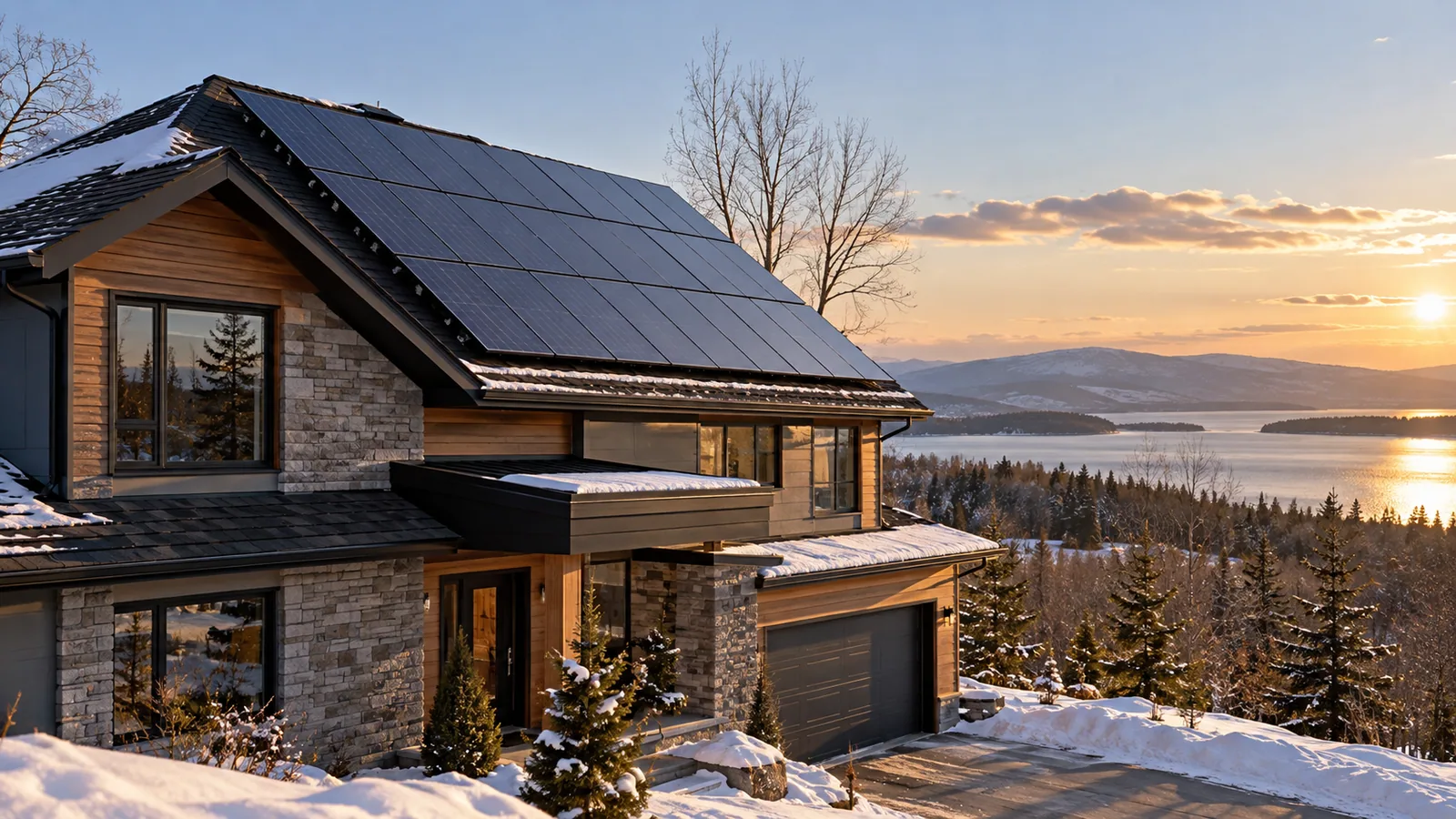
Photovoltaic panels turn sunlight into direct current electricity. An inverter converts it into the alternating current used by ordinary household circuits and the grid. The system may supply current home loads first, send excess electricity to the grid under an approved arrangement, or work with a compatible battery. The details depend on the equipment and connection design.
Panels make electricity from light, not from heat. They can still produce on a cold clear day, but short winter days, cloud, snow and shading reduce the energy available. The nameplate size in kilowatts is a laboratory rating, not the power a roof will deliver at every hour.
The roof matters more than a sales graphic
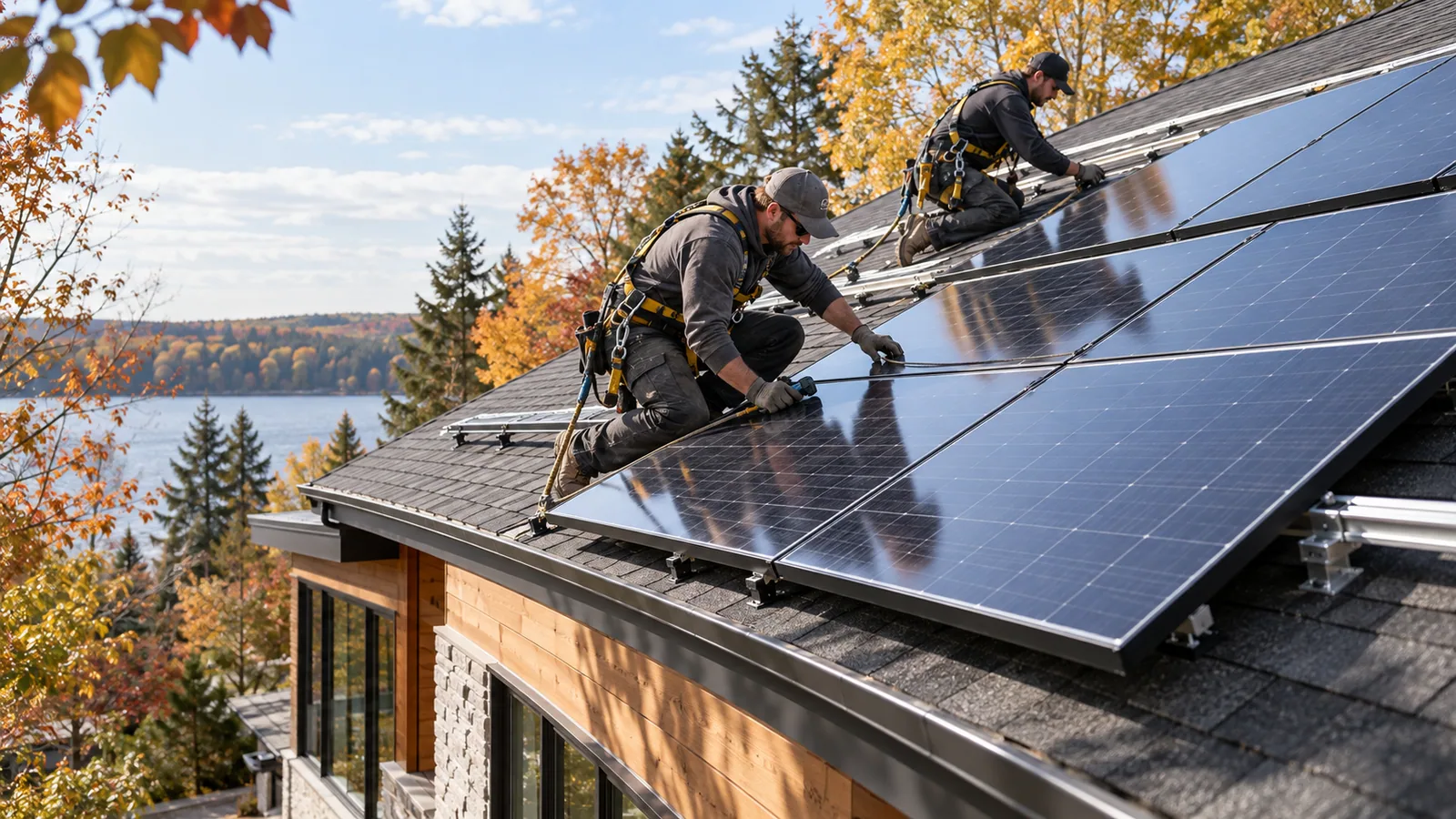
An installer should examine roof age, structure, usable area, slope, orientation, vents, dormers and future access for maintenance. A roof that will need replacement soon may make an immediate panel installation a poor sequence. Trees and nearby buildings can cast shade at different times of year. A site survey should account for those changes instead of relying on a single noon photograph.
South facing space often gives strong annual production in Canada, but east and west roof planes can also be useful. The right arrangement depends on the property and the hours when the home uses electricity. Ask for a layout drawing that shows the actual roof obstacles and estimated shade losses.
Panels are only one part of the system
A complete proposal should identify the panels, mounting hardware, inverter approach, electrical protection, monitoring, wiring route and connection point. String inverters, module level optimizers and microinverters handle differing roof conditions in different ways. No single architecture is automatically best; the design should explain why it suits this roof and how a failed component would be serviced.
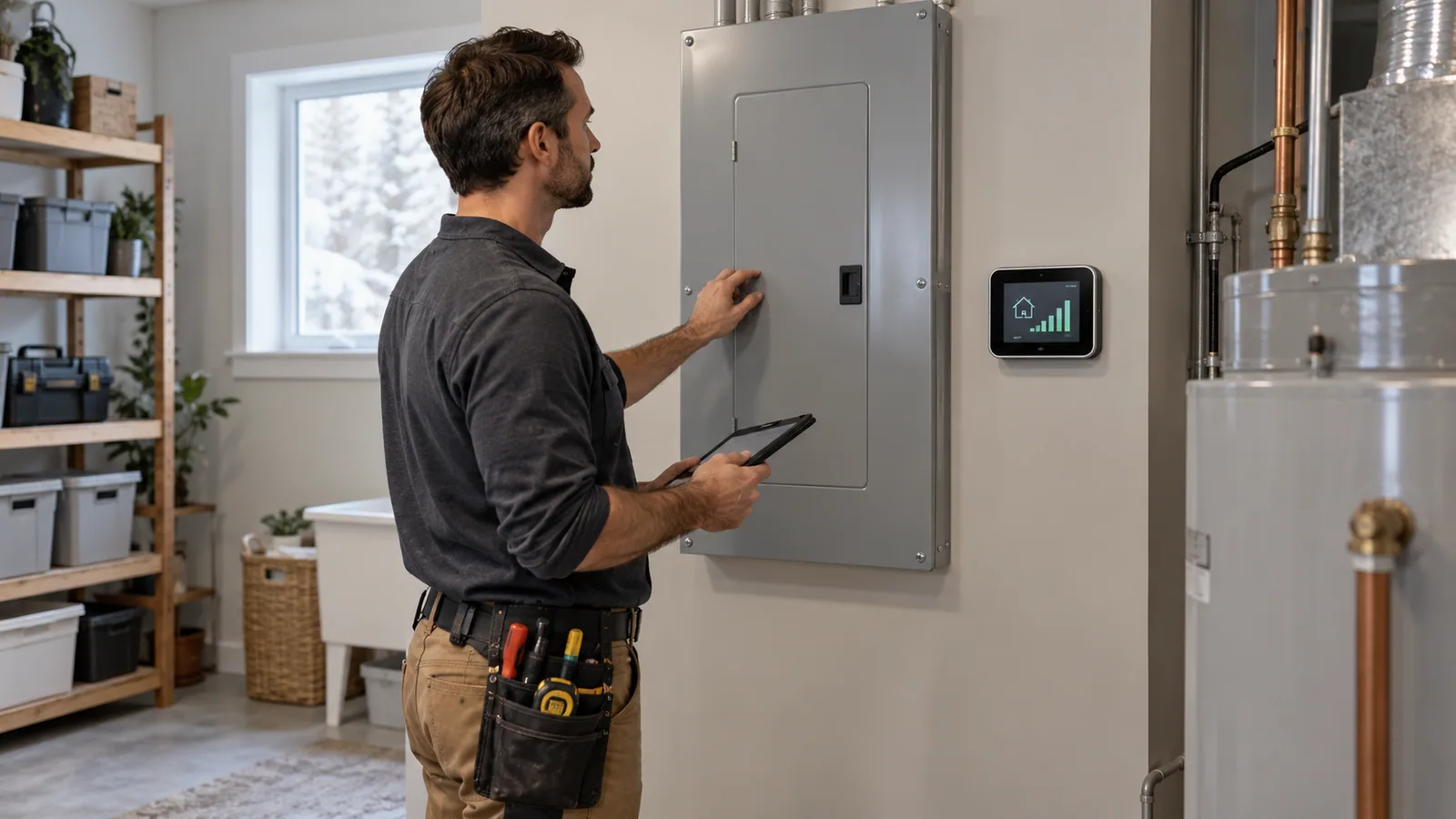
The electrical panel and service may limit what can be connected or require additional work. Ask who is responsible for roof penetrations, structural review, monitoring setup, warranty claims and removing panels if roof repairs are needed later.
Ontario approval comes before purchase
Ontario says a customer seeking net metering must apply to connect the renewable system before buying or installing it. The local electricity distributor checks technical connection requirements, and a project must meet applicable safety, inspection and possible building permit requirements. Some local distribution areas may have technical limits that prevent a proposed connection.
Get the distributor’s process and written project conditions early. If hiring electrical work, use an Ontario Licensed Electrical Contracting Business and confirm who files the ESA notification. A solar quote is not permission to export power, and a roof contractor is not automatically authorized to perform the electrical portion.
Ask for a usable production estimate
A credible estimate states installed DC capacity, expected annual kWh, the assumptions for shade and snow, inverter losses and any planned battery behaviour. Natural Resources Canada publishes solar resource maps that are a useful starting point, but they do not know the exact trees and roof geometry at your address. Compare the proposal with your household’s own annual use.
Ask for the expected month by month production, not only a yearly total. A system that produces strongly in summer may still contribute much less during a winter outage. Clarify how the output will be monitored and what performance change would trigger a service call.
CHECK THE SOURCE
Official reading
Programs, equipment and requirements can change. These sources provide current technical and Ontario program details to check before a project.
This is a planning guide, not an installation procedure or a savings guarantee. Have the roof, electrical service, distributor connection and battery design assessed for the actual property. Reviewed 12 October 2026.