Whole home is a wiring scope, not a runtime promise
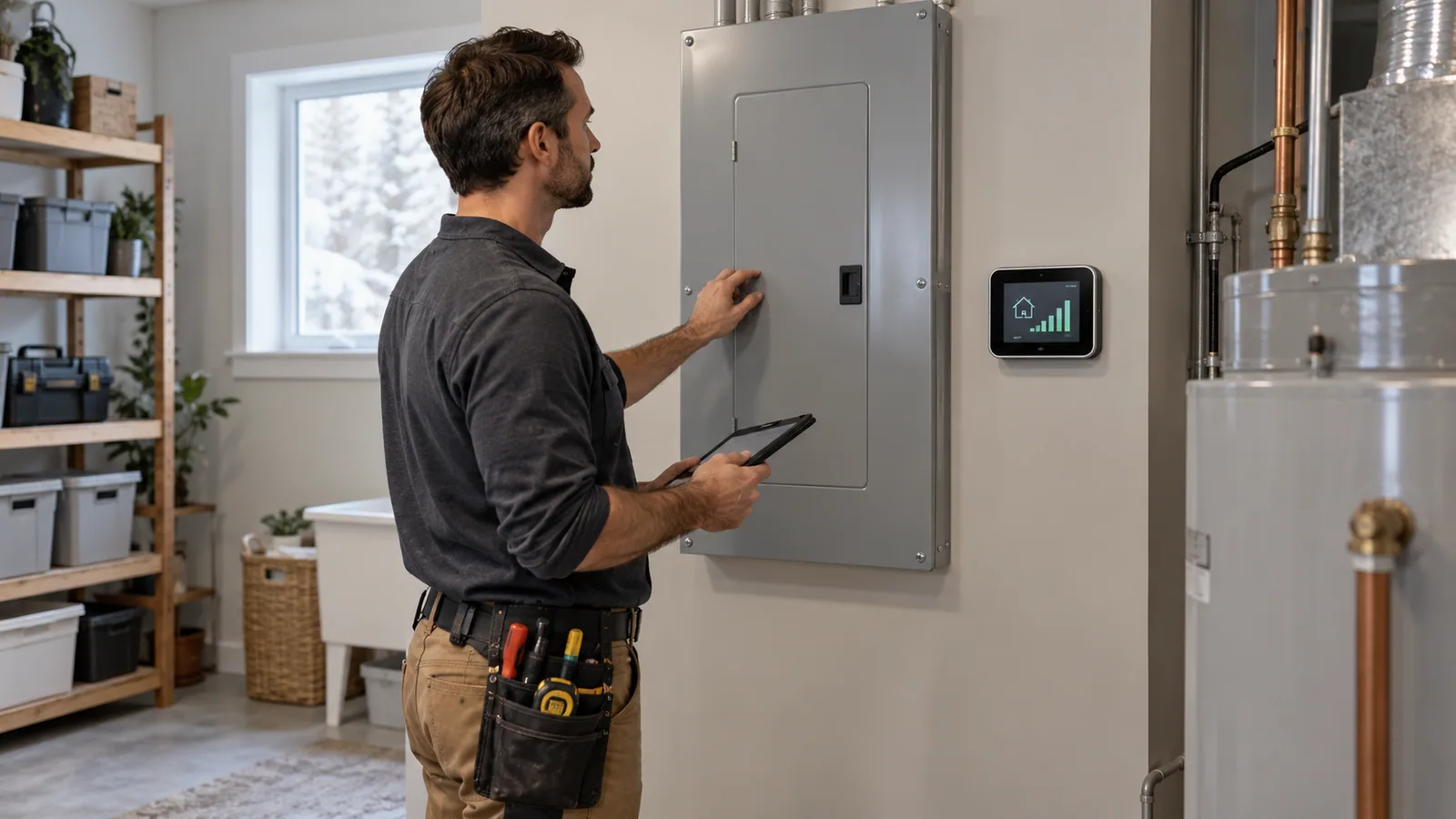
A whole home backup arrangement can be designed so many or all house circuits are connected to backup equipment. That does not mean every load can run at once, or that the house will operate normally for days. The system may shed or restrict large loads such as vehicle charging, electric heat or a range. A smaller critical loads panel can be less expensive and easier to predict.
Begin with the purpose: keep a refrigerator and internet working for a few hours, protect a sump pump during storms, or support heating and normal household routines for a longer outage. Each goal leads to a different list of circuits and a different design.
Battery kWh and inverter kW solve different problems
A battery’s usable kilowatt hours describe its stored energy. An inverter’s kilowatts describe how much power it can deliver at a moment. A 10 kWh battery does not automatically run a 10 kW load for one hour: usable capacity, conversion losses, reserve settings and power limits all matter. Motor starting surges can be higher than ordinary running power.
For a simple illustration, if a system has 9 kWh usable after reserves and losses, and the backed up loads average 0.5 kW, the arithmetic gives about 18 hours. A 2 kW average would reduce that to about 4.5 hours. Neither figure guarantees real runtime, because loads change and a system may limit discharge or shut down at a reserve threshold.
Write a load list before choosing capacity
List each device that must work during an outage, its ordinary power draw, likely simultaneous use and any starting surge. Refrigeration, lighting, communications, water pumping and selected heating or cooling may be priorities. Make a second list of loads that can be paused. Do not assume an electric water heater, dryer, vehicle charger or full home heat can be carried just because they exist on the normal panel.
A professional can measure uncertain loads and review the electrical service. The plan should state which circuits are backed up, which are controlled automatically, what happens when the battery is low and how someone can override or safely shut down the system.
Solar can help, but only in the right design
If the battery system and solar inverter are designed to operate together while disconnected from the grid, sunlight may recharge the battery during an outage. Many ordinary grid tied solar systems stop producing when the grid is down for safety. Adding a battery later can require equipment changes, so ask about future compatibility when solar is first designed.
Do not size backup runtime using a sunny summer day if the risk you care about is a winter storm. Short daylight, snow cover, shade and continuing heating loads can leave little surplus for charging. Work through a poor weather case as well as a favourable one.
Space, safety and serviceability are part of capacity
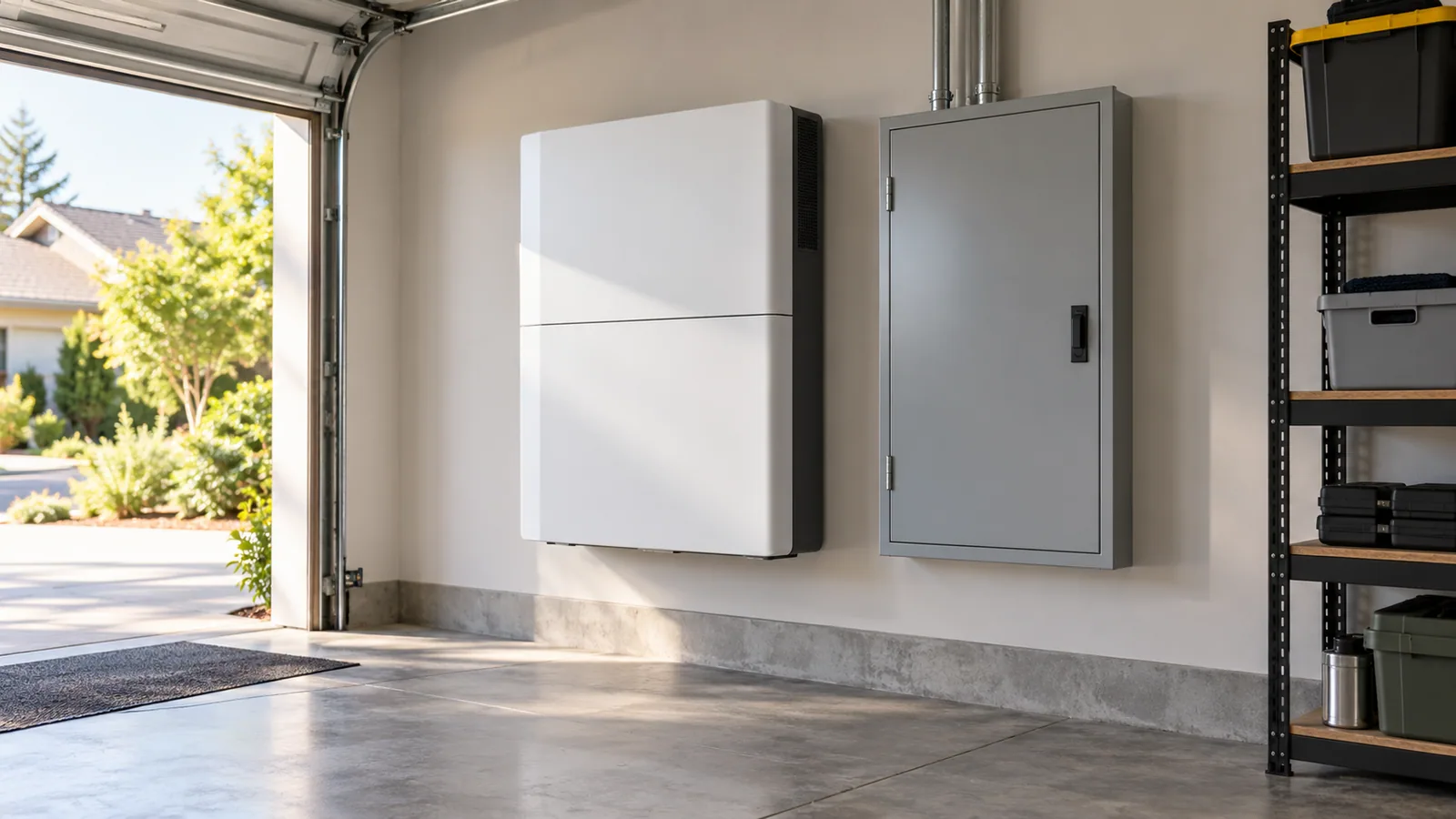
Residential battery energy storage has location, separation, working space and equipment requirements under Ontario’s electrical safety guidance. The suitable location is a design question, not a choice based on which wall looks empty. The installer must follow the current code, the certified equipment instructions and any local building requirements.
If hiring electrical work in Ontario, verify that the business is a Licensed Electrical Contracting Business. Request the ESA notification and inspection details, a one line system drawing, the operating manual and a clear plan for maintenance or replacement. A larger battery that cannot be safely installed or serviced is not the better option.
CHECK THE SOURCE
Official reading
Programs, equipment and requirements can change. These sources provide current technical and Ontario program details to check before a project.
This is a planning guide, not an installation procedure or a savings guarantee. Have the roof, electrical service, distributor connection and battery design assessed for the actual property. Reviewed 12 October 2026.