Start with a simple message
A smart home begins with a message: a switch says it was pressed, a sensor reports a leak, or a controller asks a shade to close. The message needs a path, a destination and a shared meaning. If any of those is missing, the equipment cannot reliably work together.
Think of the path as a road and the meaning as a language. Ethernet cable, Wi Fi, Zigbee, Z Wave and Thread are different roads. A command such as “set this lamp to 30 percent” is part of an application language. Matter is one such common language, but it still needs a road underneath it.
The early years: signals on power wiring
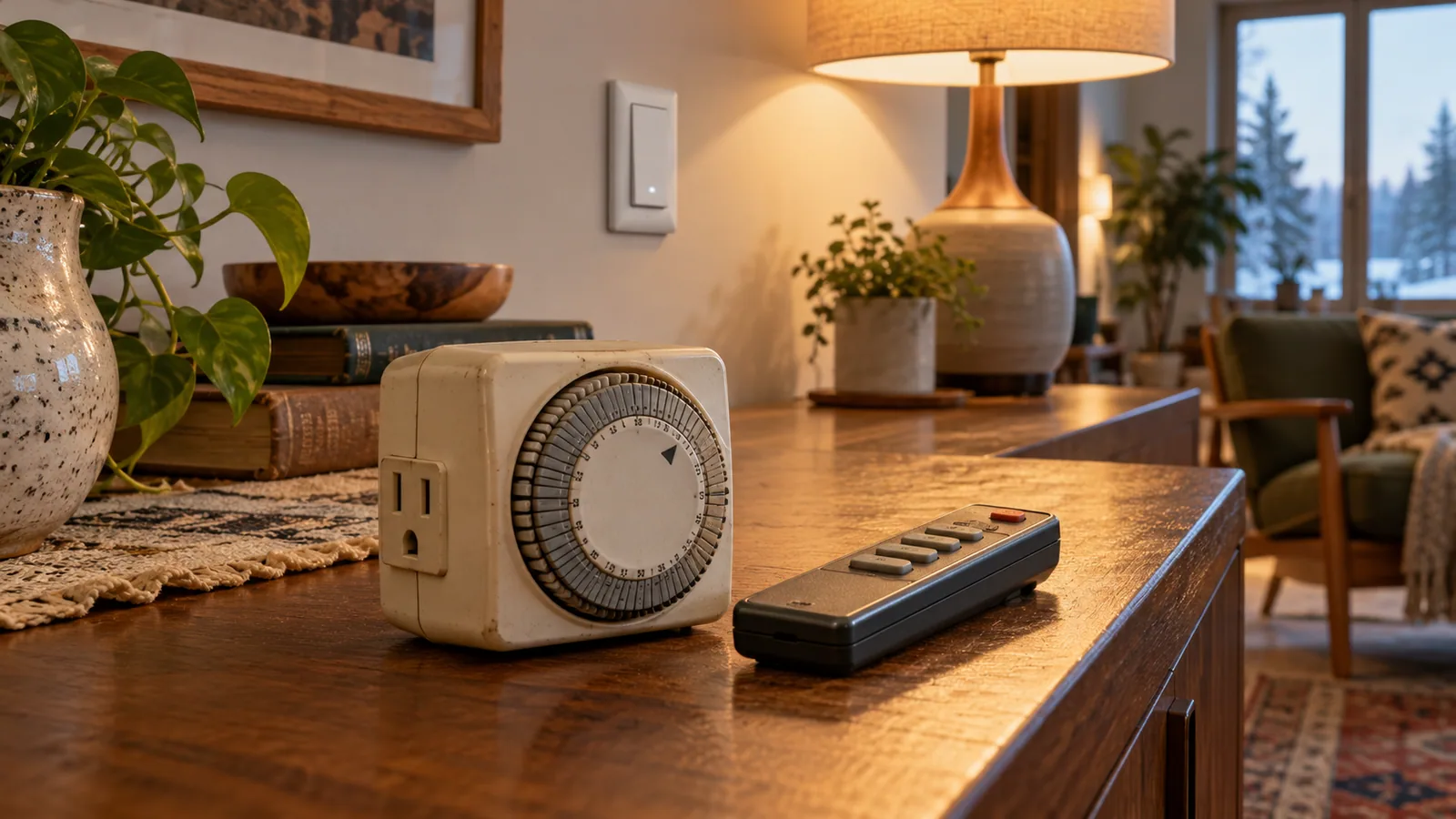
Early home automation often used existing electrical wiring to pass simple commands. X10 is a well known example. It let a controller tell a lamp module to switch on or off without installing a separate data cable. It was clever for its time, but household wiring was never designed as a clean communications channel. Appliances and electrical noise could interfere, and the commands were limited compared with modern systems.
Wired control systems also developed for larger and more demanding installations. They could be dependable, but required planning and cabling. The lesson still applies today: a cable is often worth the effort for fixed, important equipment.
Wireless made sensors practical
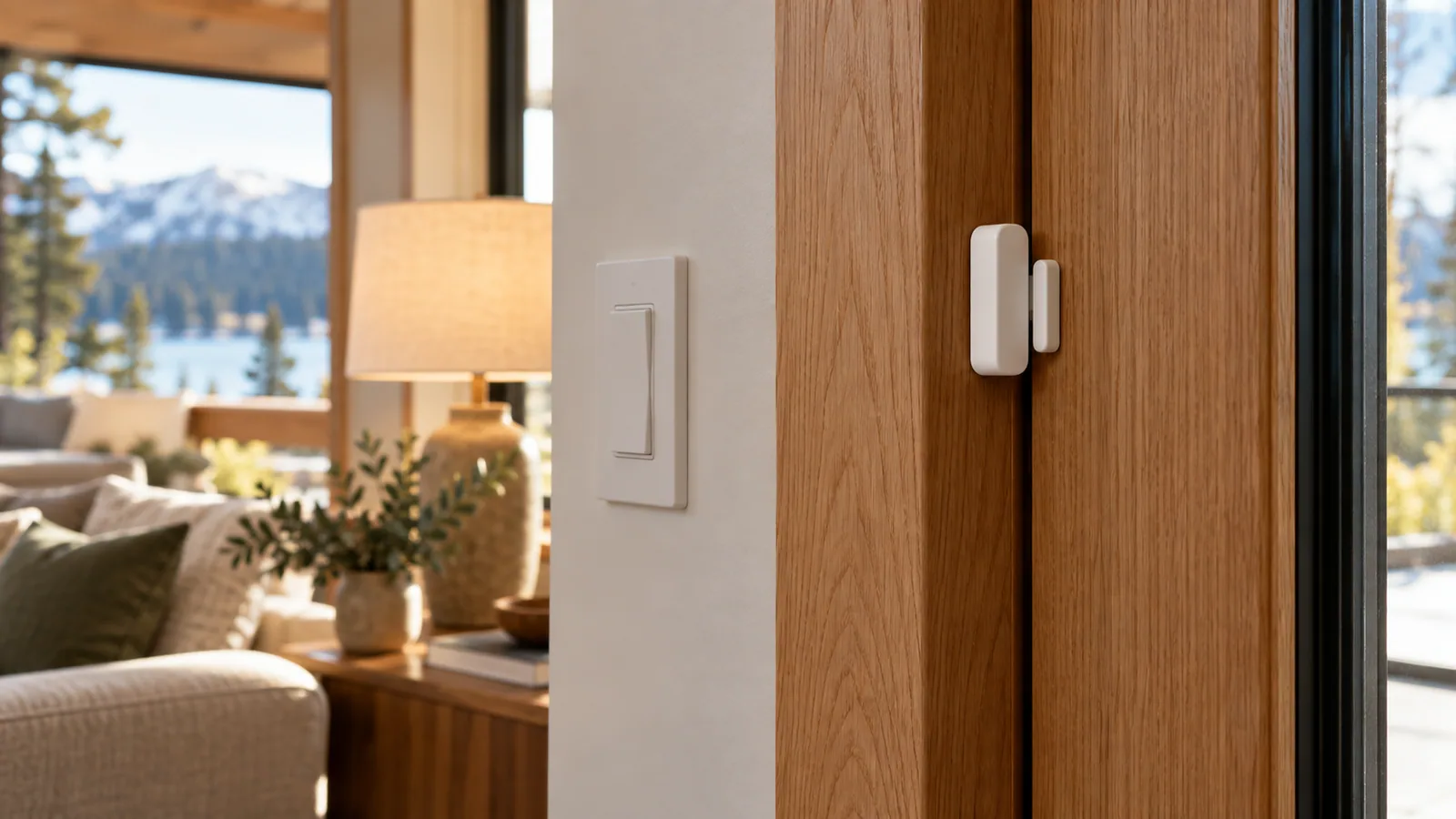
Wi Fi became the familiar network for computers and then for cameras, speakers and appliances. Bluetooth made short, direct links with phones commonplace. Zigbee and Z Wave focused on small messages and battery life, so a door contact or temperature sensor did not need a power cable or a large battery.
These systems solved different problems. A camera needs far more capacity than a leak detector. A small sensor needs to sleep most of the time; a camera must stay awake. Trying to put every device on the same radio can therefore be less reliable than combining a few complementary networks.
Mesh networks and the new common language
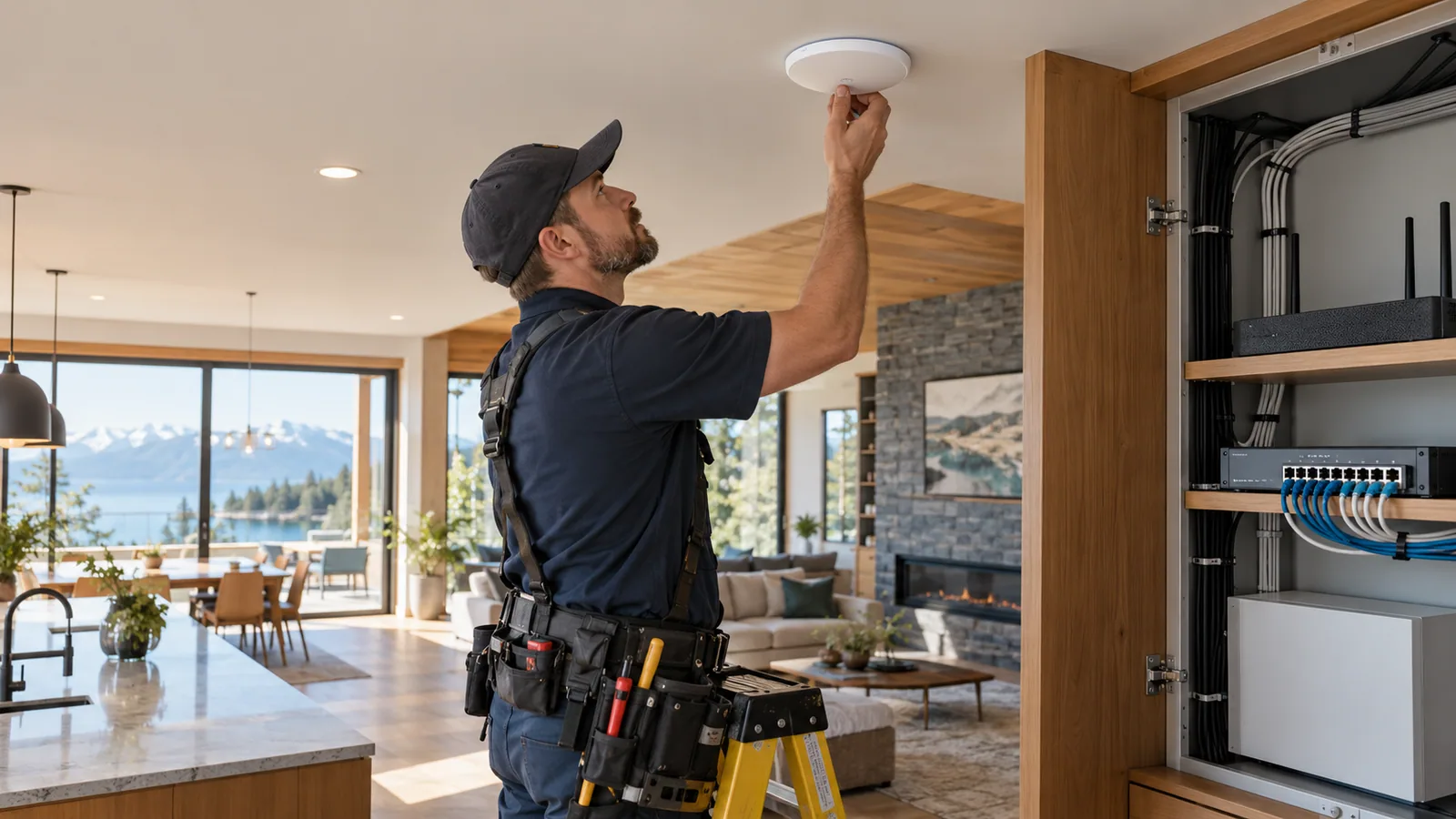
In a mesh, suitably powered devices can relay a message toward its destination. That can help a signal reach a distant room, although a mesh does not repair bad placement by magic. Zigbee and traditional Z Wave use this idea. Thread brought low power mesh networking to an IP based home network. A Thread border router links that mesh to the rest of the home.
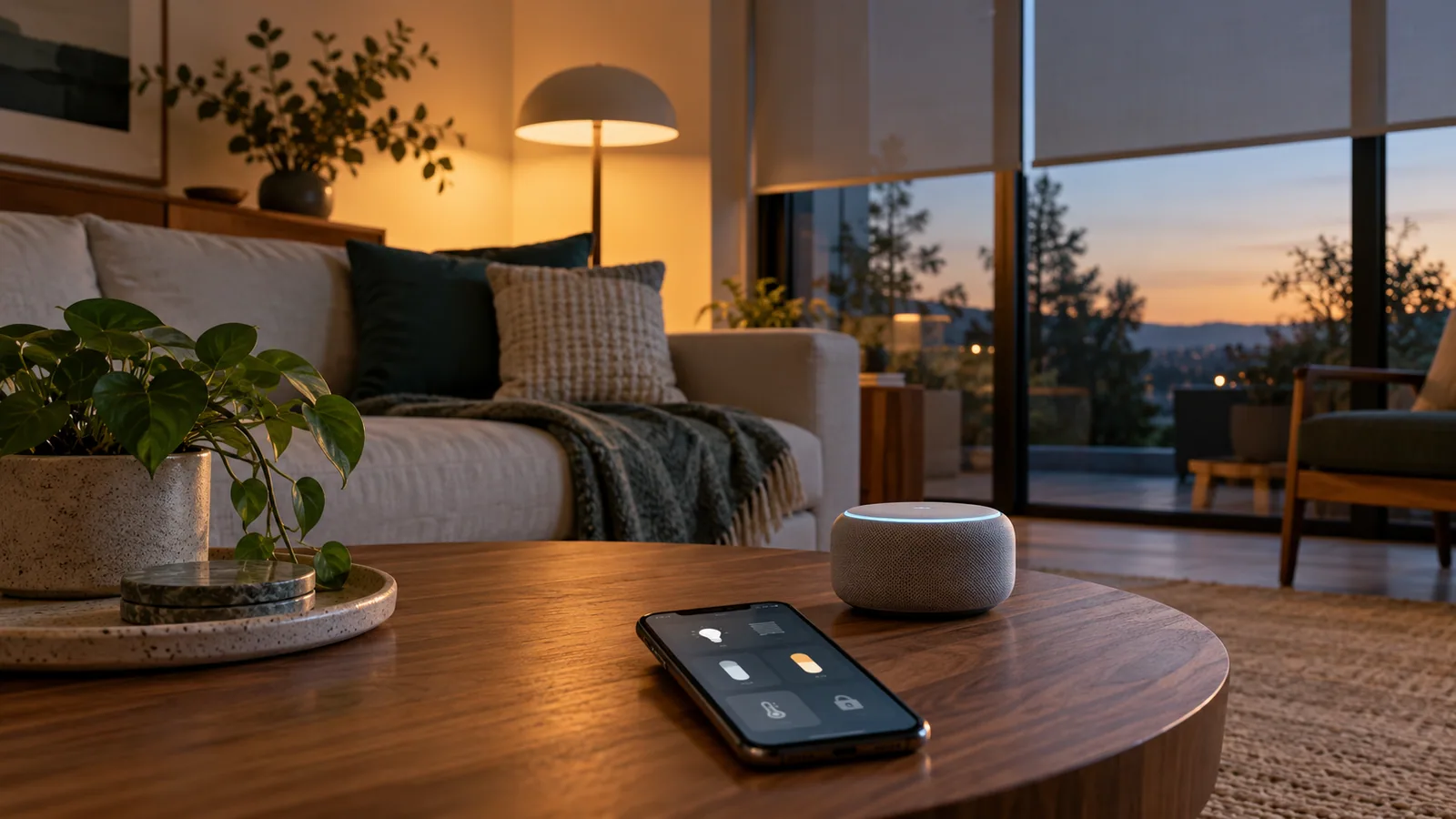
Matter arrived to reduce the problem of devices speaking different application languages. A Matter device may use Wi Fi, Ethernet or Thread for its regular connection and often Bluetooth Low Energy during setup. A Matter badge does not mean that every old device can be converted, or that every feature works identically in every app.
What history teaches a buyer
No single protocol won every job because the jobs are different. Use a fast wired or Wi Fi link where data is heavy, low power radios where a sensor must live on a battery, and a controller that supports the devices you actually plan to use. Before buying, check the exact model, required hub or border router, supported features and what still works when the internet is down.
The best long term plan is not to chase the newest logo. It is to choose a system you can understand, maintain and expand without being forced to replace everything at once.
CHECK THE SOURCE
Official reading
Standards and products evolve. These links lead to the organizations that publish or administer the technologies discussed above.
Wireless distances are estimates, not a guarantee for a particular home. Verify the exact product, regional version, controller support and final installation location. Reviewed 12 October 2026.