
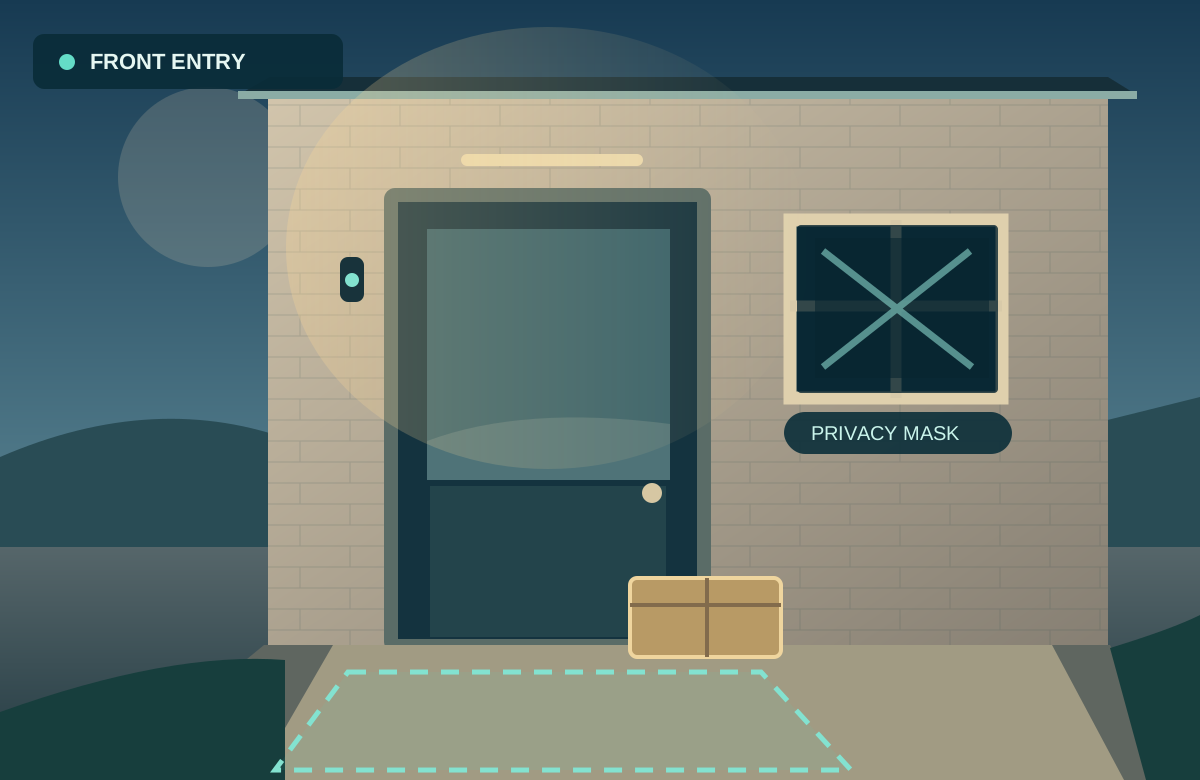
Start narrow
Draw a detection zone around the place where an action matters, such as the doorstep rather than the entire street. A broad zone can generate more clips without giving better evidence. Review sample events at different times of day before increasing sensitivity.
Separate capture from notification
It can be reasonable to retain a wider event for context while notifying only on a narrower zone. Use a short plain language label such as “porch arrival” so the alert explains why it appeared. If an alert repeatedly fires for shadows or passing vehicles, change the zone or threshold rather than asking people to ignore it.
Verify the missed event tradeoff
Any filter can also miss something important. Test a person approaching from each likely direction and a parcel placed in different spots. Keep a simple record of misses and false alerts during setup. A detection label is an aid to review, not a guarantee of what happened.
QUESTIONS TO TAKE INTO A PROJECT
Before you choose a product
- Where should motion cause a notification?
- Which events need a clip but no alert?
- How will missed events be checked?
This guide is a planning concept, not a product recommendation or a promise of service availability. Site conditions and applicable requirements should be checked for each project.