
Pick a useful unit
Start with daily or weekly energy in kilowatt hours, not a single power reading in watts. Power is an instant snapshot; energy reflects use over time. Note seasonal weather, occupancy and major equipment because they can change the result more than a new automation rule.
Measure before changing rules
Record at least a representative period before adding schedules. If you change several devices at once, you cannot tell which change mattered. For a room or appliance, compare similar days and include the hours it was actually used. A simple chart with notes can be more valuable than a crowded dashboard.
Keep conclusions modest
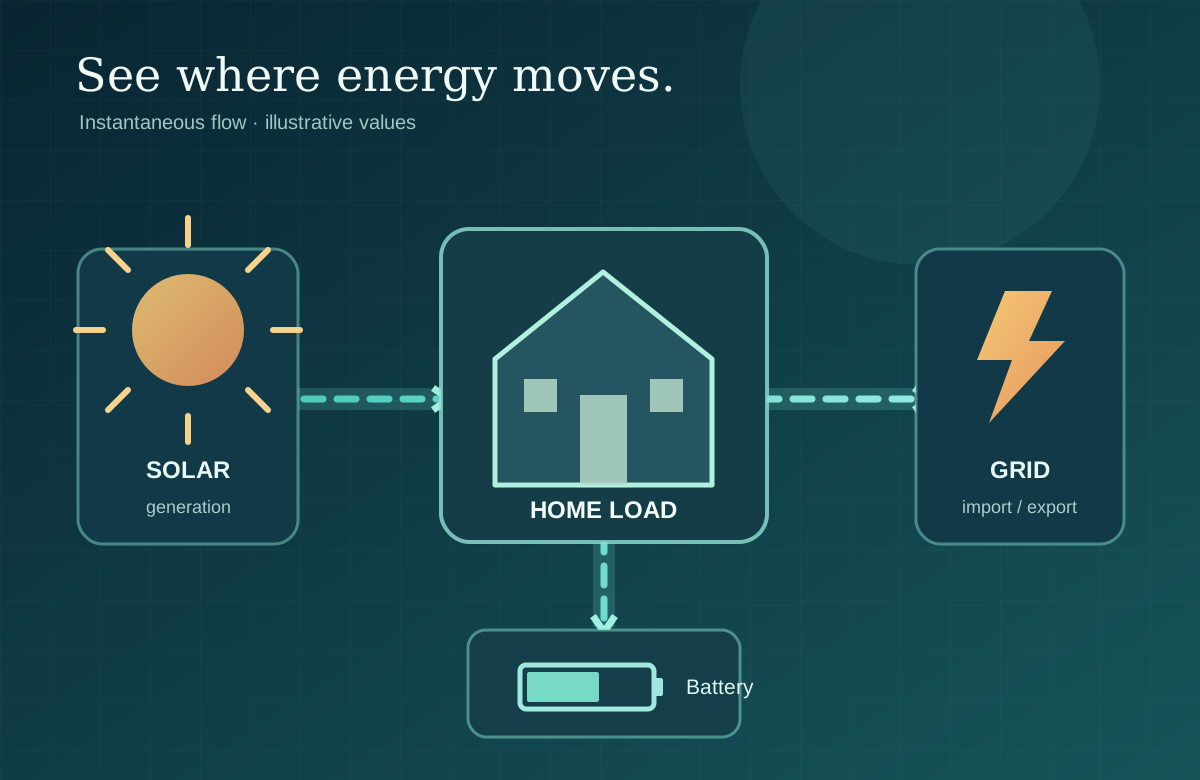
A lower number does not always mean a better outcome. A hotter week, a guest, or a new appliance can explain a change. The demo on this site illustrates energy flows, not a bill prediction. For real savings claims, use actual meter data, tariff details and a fair before and after comparison.
QUESTIONS TO TAKE INTO A PROJECT
Before you choose a product
- Which reading is actual energy, not instantaneous power?
- What conditions changed between comparison periods?
- What comfort or convenience tradeoff accompanied the change?
This guide is a planning concept, not a product recommendation or a promise of service availability. Site conditions and applicable requirements should be checked for each project.