
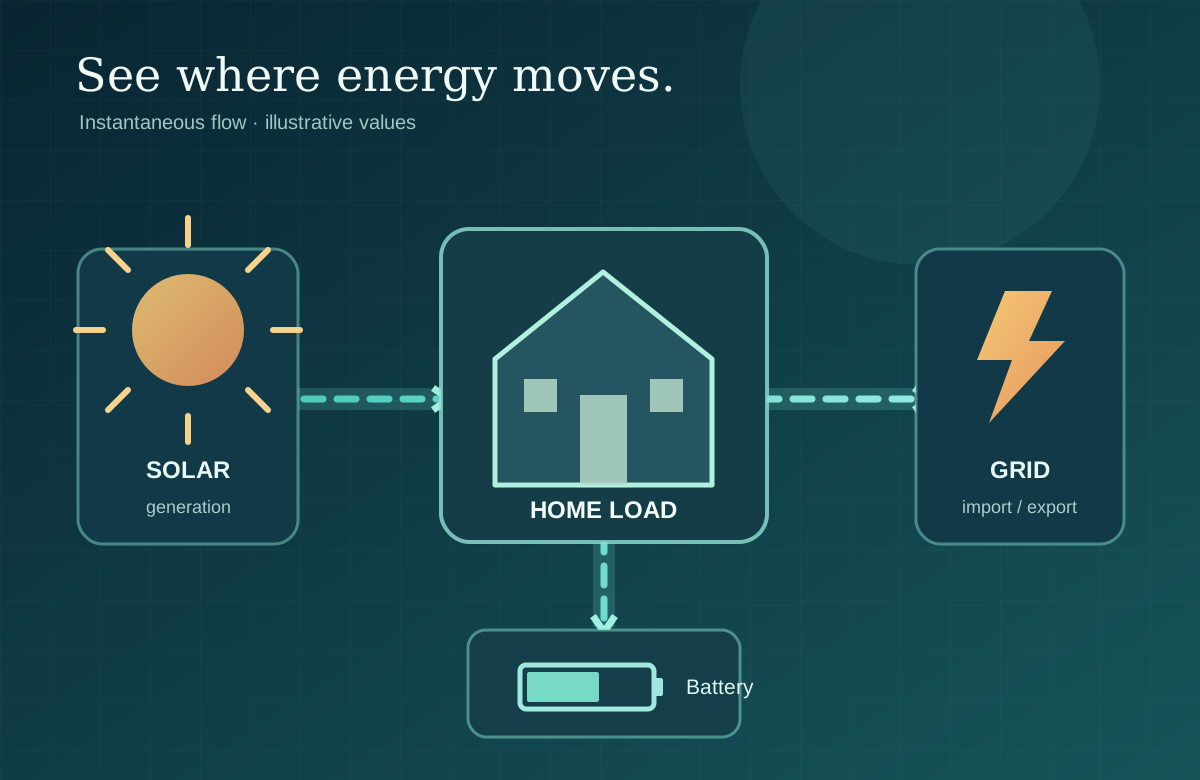
Follow the direction of power
A useful dashboard shows generation, household demand, battery charge or discharge and grid import or export separately. These values change from moment to moment. When solar output is lower than demand, another source supplies the difference; when it is higher, the extra energy goes somewhere according to the installed system.
Look beyond a sunny snapshot
Clouds, season, roof orientation, battery limits and utility arrangements affect a real installation. One animated flow cannot estimate financial return. Use actual site measurements, equipment specifications and tariff details before comparing proposals.
Ask for readable states
A homeowner should be able to tell whether the battery is charging, whether backup reserve is protected and what happens during a grid outage. If an interface only shows a single “savings” number, ask to see the underlying energy flows. Transparency makes future troubleshooting easier.
QUESTIONS TO TAKE INTO A PROJECT
Before you choose a product
- Does the dashboard distinguish kW from kWh?
- What is the battery reserve policy?
- What happens if generation or grid connection disappears?
This guide is a planning concept, not a product recommendation or a promise of service availability. Site conditions and applicable requirements should be checked for each project.