
Collect less on purpose
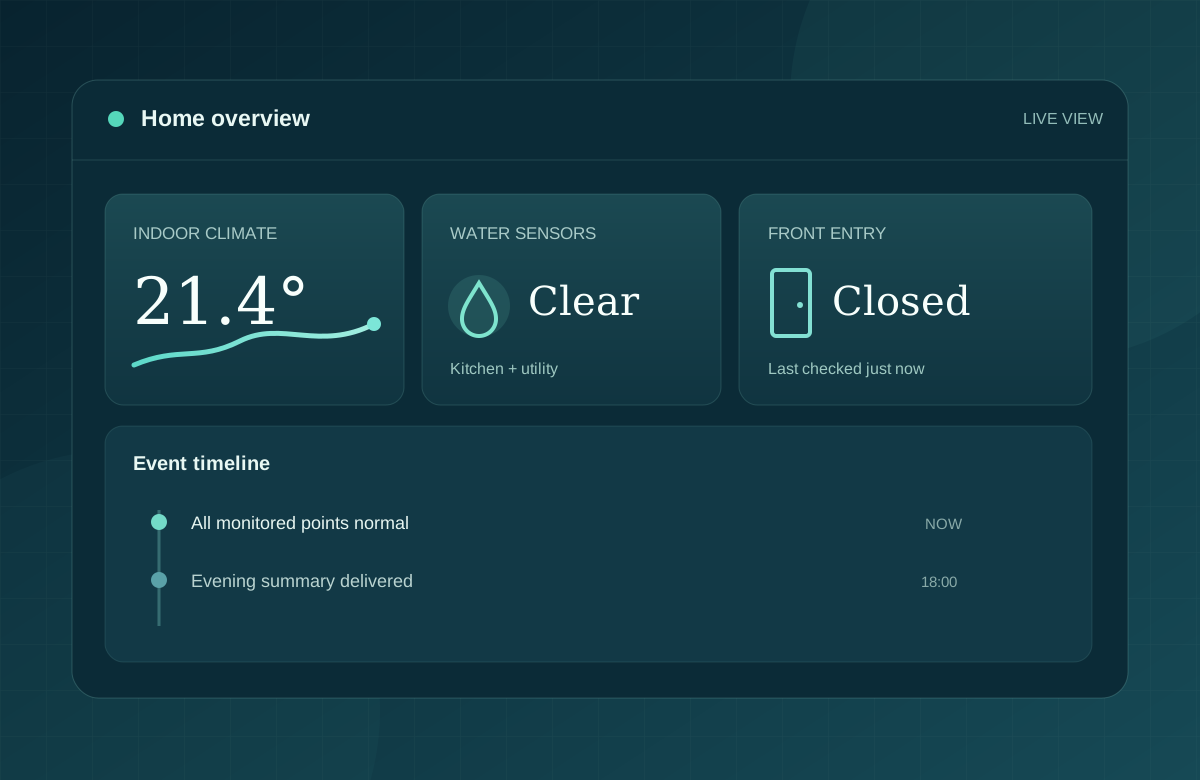
Many decisions need an event time and a device name, not continuous recording. For example, “front door opened at 8:12” may be enough for a routine audit. Decide what is genuinely useful before enabling cameras, audio or detailed occupancy history. Collecting less also makes the interface calmer.
Make access visible
List every person who can view events and what they need. A temporary visitor may need a door code but not an activity feed. Separate administrator access from everyday viewing, and remove access when its purpose ends. A good interface makes sharing and revocation understandable without a technical manual.
Set a retention rule
Choose a reasonable retention period for each event type and document how data is exported or erased. A leak incident may need a different history from routine motion. Make sure backups follow the same intent. If cameras cover shared or public areas, check applicable privacy requirements before installing them.
QUESTIONS TO TAKE INTO A PROJECT
Before you choose a product
- Which data is necessary for a decision?
- Who can export or delete the history?
- How long should each event type remain?
This guide is a planning concept, not a product recommendation or a promise of service availability. Site conditions and applicable requirements should be checked for each project.